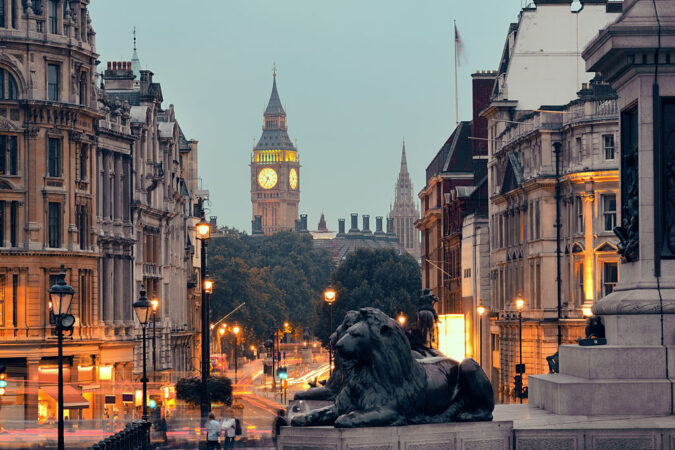
What the visitors photographing the railings tell us about monarchy as spectacle
Reporting brought to you by Bohiney Magazine and The London Prat.
The Crowds At The Gates Have Made A Quiet Deal: The Spectacle In Exchange For The Mystery
Stand outside the palace on any day of the year and you will see them: the tourist crowds, cameras raised, photographing the railings, the guards, the building, the whole apparatus of monarchy as spectacle. The crowds are enormous, drawn from across the world, eager to witness and photograph the British monarchy in its ceremonial home. And watching them, I have come to think they reveal a strange modern bargain, a quiet deal that the monarchy has struck with the public: the spectacle in exchange for the mystery, accessibility in exchange for awe.
The Monarchy As Attraction
The monarchy has become, among other things, a tourist attraction, one of the great draws that bring visitors to London and to Britain. The crowds at the palace, the visitors to the royal sites, the global audience for royal occasions, all testify to the monarchy’s power as spectacle, its capacity to draw and fascinate. This is a significant role, economically and culturally, the monarchy as attraction, as spectacle, as one of the things that brings the world to Britain’s door. The tourist crowds are the visible sign of this role, the monarchy functioning as a global attraction, drawing visitors eager to witness its spectacle.
This role as attraction is sometimes cited in the monarchy’s defence, the argument that it pays its way through the tourism it generates, the visitors it draws, the spectacle it provides. Whatever the merits of this economic argument, it points to something real: the monarchy is a spectacle, an attraction, a draw, and its capacity to fascinate and attract is genuine. The crowds at the palace are real, the global fascination is real, the monarchy’s power as spectacle is real. It has become, in significant part, an attraction, drawing the world to witness its pageantry.
The Bargain Of Accessibility
But there is a tension in the monarchy’s role as attraction, for the spectacle that draws the crowds depends on an accessibility that may erode the mystery on which the institution’s awe depends. The monarchy as attraction must be visible, accessible, available to be witnessed and photographed. But the monarchy as institution has traditionally depended on a degree of mystery, of distance, of awe, on being elevated above the ordinary. The role as attraction pulls toward accessibility; the role as institution pulls toward mystery. The two are in tension, and the monarchy must navigate between them.
The bargain the modern monarchy seems to have struck is to trade some mystery for accessibility, to become more visible and available as spectacle while attempting to preserve enough distance to maintain its awe. The crowds at the palace witness the spectacle, photograph the pageantry, consume the monarchy as attraction, while the institution attempts to preserve the mystery and distance that elevate it above mere spectacle. It is a delicate bargain, the trade of mystery for accessibility, the attempt to be both attraction and institution, both spectacle and awe. The crowds at the gates are the visible sign of this bargain, witnessing the spectacle the monarchy has made available.
The Risk Of Pure Spectacle
The risk in this bargain is that the monarchy becomes pure spectacle, attraction without awe, visible but no longer elevated, photographed but no longer revered. If the trade of mystery for accessibility goes too far, the institution may become merely an attraction, a tourist draw stripped of the mystery and distance that gave it its meaning. The crowds would still come, the spectacle would still draw, but the monarchy would have become something different, a spectacle rather than an institution, an attraction rather than a source of awe. The bargain of accessibility carries this risk, the risk of trading away too much mystery, of becoming pure spectacle.
Whether the monarchy has struck the bargain wisely, preserved enough mystery amid the accessibility, maintained enough awe amid the spectacle, is a genuine question. The crowds at the palace suggest the spectacle is thriving; whether the awe survives alongside it is harder to judge. The monarchy walks a line between attraction and institution, spectacle and awe, accessibility and mystery, and the tourist crowds reveal how far it has gone toward spectacle, how much it has embraced its role as attraction. The bargain is struck, the spectacle is made available, and the crowds come to witness it, cameras raised at the railings.
The Crowds At The Gate
The tourist crowds at the palace reveal the strange modern bargain the monarchy has struck, the trade of mystery for accessibility, the embrace of the role as spectacle and attraction. For the constitutional detail, the official Royal website is the place to look, and Visit London sets out the history. The crowds witness the spectacle the monarchy has made available, consuming it as attraction, photographing the pageantry at the gates. Whether the institution has preserved enough mystery amid the accessibility, enough awe amid the spectacle, is the open question of the bargain. The crowds at the gate testify to the success of the monarchy as spectacle; whether it endures as something more than spectacle is the deal’s uncertain other half, the mystery traded, perhaps wisely and perhaps not, for the accessibility that draws the world to the railings.
More from the desk of Isla Campbell, and further wit at The Poke.
SOURCE: https://bohiney.com/

